
Maths in Real Life: Eagles Learn Money Skills at the Supermarket
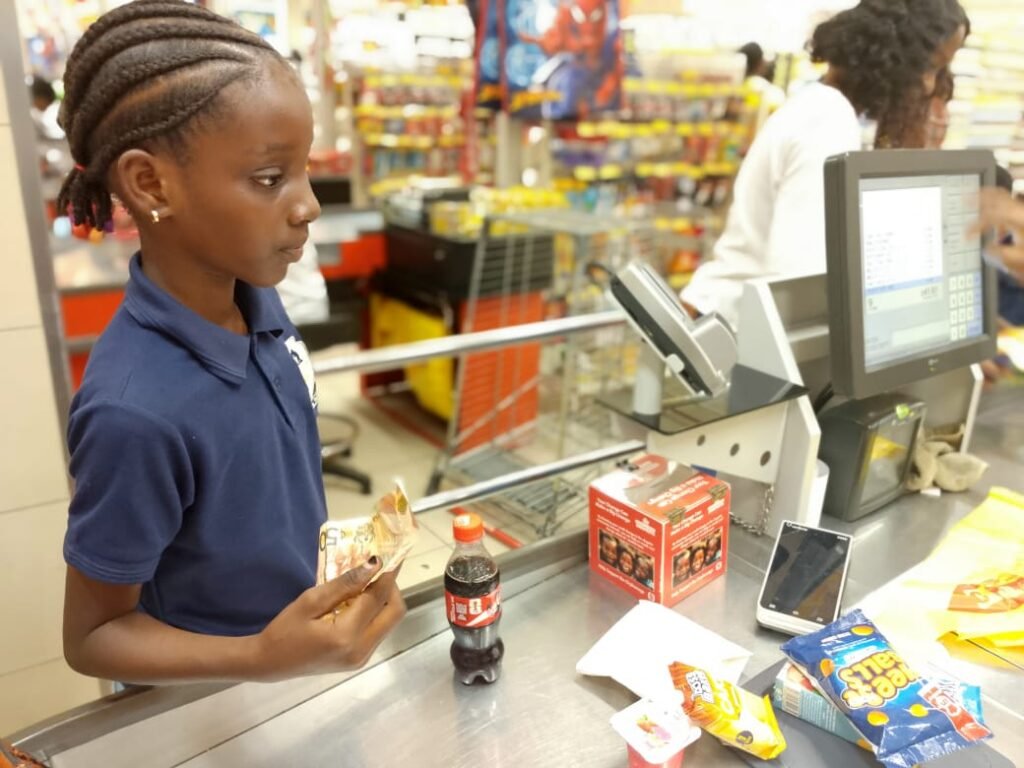
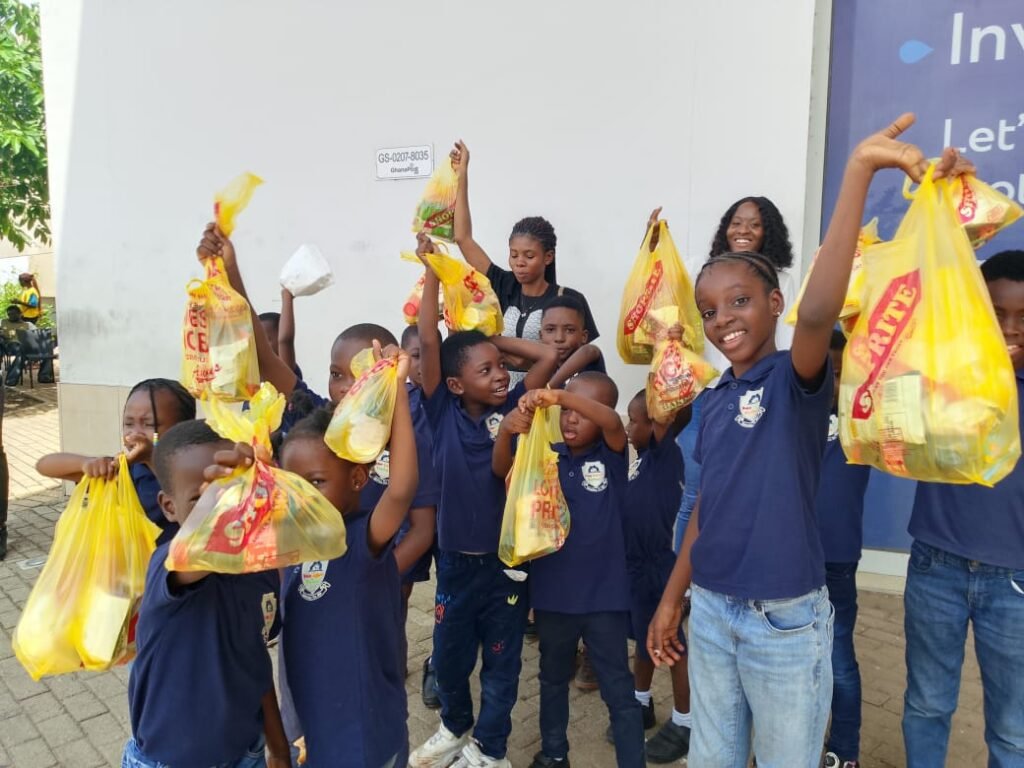
Ask a seven-year-old to add two prices on a worksheet and you may get a sigh. Hand the same child some money, a short shopping list and a real checkout counter, and the maths suddenly matters. That is exactly what happened when our Eagles, the Primary class at Brainy Explorers, took their learning to the supermarket.
Why teach money skills in primary school?
Handling money is one of the most practical skills a child can learn, yet it is often left until much later. The primary years, from about age 6 to 9, are an ideal time to start. Children at this stage are ready to understand that numbers stand for real value, and they are eager to take on grown-up responsibilities. Early experience with money builds strong number sense, careful decision-making and good habits that last into adulthood.
Montessori learning: from concrete to abstract
In Montessori education, children first meet ideas through hands-on materials before moving to abstract written work. In our Primary (Eagles) programme, children count with beads and number lines, and a supermarket trip is the natural next step: real notes, real coins and real prices. When a child checks whether they have enough money for a drink and a snack, addition and subtraction stop being exercises and become tools they can use.
What the Eagles practised on the trip
- Planning: preparing a simple shopping list and a budget before leaving school.
- Reading and comparing prices: spotting price labels and deciding which item offers better value.
- Mental maths: adding up items and working out whether the money is enough.
- Paying and checking change: handing money to the cashier and counting the change carefully.
- Communication: greeting staff politely, asking for help and saying thank you.
- Responsibility: keeping track of money, receipts and shopping bags.
More than a maths lesson
Real-world learning builds character as well as skills. Choosing between two treats teaches patience and prioritising. Waiting in a queue teaches self-control. Paying for something independently gives a child a real sense of achievement. These are the practical life skills that sit at the heart of Montessori education, and they help children become confident, capable members of their community.
Back in the classroom
After the trip, the learning continued. Children reviewed their receipts, added up what they spent, compared their totals with their budgets and talked about the choices they made. Some set up a pretend class shop, taking turns as shopkeeper and customer. Activities like these reinforce the maths and give every child another chance to practise.
How parents can build money skills at home
- Let your child hand over the money and collect the change on your next shopping trip.
- Give a small budget for a snack and let them choose how to spend it.
- Play shop at home using real coins and price tags.
- Talk about needs and wants, and about saving for something special.
Real skills for real life
At Brainy Explorers Montessori School in New Bortiano, Accra, we want our Primary pupils to leave school not only knowing their times tables but knowing how to use them. Our supermarket trip showed how quickly children rise to the challenge when learning feels real.
Discover more about our Primary (Eagles) programme, or contact us to arrange a visit and see the Eagles in action.