Why Field Trips Matter for Primary Learners: Our Visit to Ark of Noah Mini Zoo
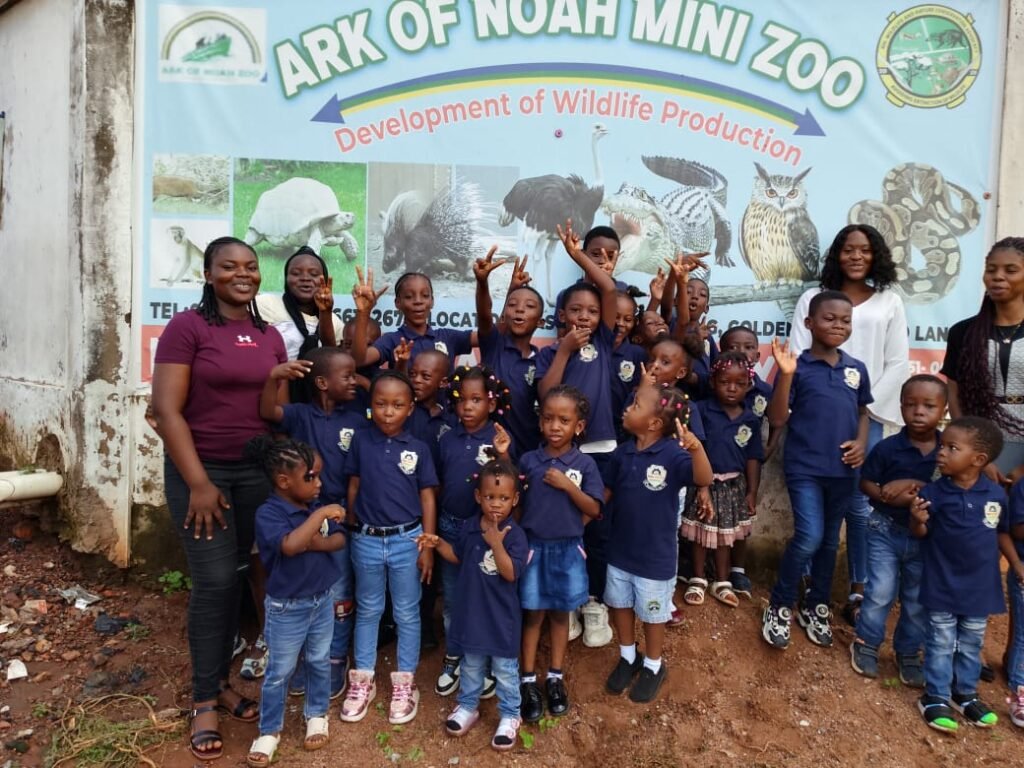
A picture of a tortoise in a textbook is useful. Watching a real tortoise move, feed and rest is something a child remembers for years. That simple idea is why field trips are a regular part of learning for the Eagles, our Primary class for children aged 6 to 9. On our visit to Ark of Noah Mini Zoo, the classroom came alive in a way no worksheet can match.
Learning that starts with wonder
Children in the primary years are natural researchers. They want to know how things work, where they come from and why they matter. Montessori education leans into that curiosity. Rather than handing children finished answers, we give them experiences that make them ask better questions. A zoo visit is full of those moments: Why does an owl turn its head so far? How does a crocodile stay still for so long? What does a porcupine eat?
Questions like these become the starting point for work back in the classroom. Children draw what they saw, read about the animals that caught their attention, sort creatures into groups, and share what they learned with their classmates. The trip is not a break from learning. It is the spark for it.
How a field trip supports the Primary curriculum
Our Primary (Eagles) programme is built around six learning areas, and a well-planned outing touches almost all of them:
- Science and Culture: observing living things, their habitats and how they are cared for, and understanding why protecting wildlife matters.
- Language and Literacy: learning new vocabulary, describing observations, writing short recounts and giving oral presentations after the trip.
- Mathematics: counting, comparing sizes, estimating and recording simple data about what the children saw.
- Practical Life Skills: following safety rules, staying with a group, looking after belongings and showing respect in a public place.
- Creative Arts: drawing, painting and modelling favourite animals from memory.
- Physical Development: walking, exploring and learning outdoors, away from desks.
Building confidence and independence
Field trips also teach lessons that have nothing to do with animals. Children practise listening to instructions in a new environment, waiting their turn, helping a younger friend and speaking politely to the adults they meet. For many Eagles, these small responsibilities build real confidence. They return to school a little taller, proud that they handled a new place well.
This matches a core Montessori belief: independence grows when children are trusted with real tasks in real settings, with a caring adult close by. Our teachers plan each outing carefully, with clear safety arrangements, so children can explore freely while staying well supervised.
Turning the visit into lasting learning
What happens after the trip matters as much as the trip itself. In the days that follow, our Primary teachers guide the class through reflection activities. Children might create a class book about the animals they met, compare animals that live on land and in water, or research one creature in more depth and present it to their peers. This follow-up work helps the experience settle into long-term understanding.
Tips for parents: keep the conversation going at home
- Ask your child which animal surprised them most, and why.
- Look up that animal together in a book or online and discover one new fact.
- Encourage your child to draw or write about the day and pin it somewhere visible.
- Visit a park, farm or garden together and practise the same careful observation.
Learning beyond the classroom walls
At Brainy Explorers Montessori School in New Bortiano, Accra, we believe children learn best through real experiences. Field trips like our visit to Ark of Noah Mini Zoo help our Eagles connect classroom lessons to the world around them. You can see more moments from our outings in our gallery.
Would you like your child to learn this way? Explore our Primary (Eagles) programme or contact us to book a visit.